Introduction
In today’s fast-advancing digital healthcare system, hospitals and diagnostic centers are under increasing pressure to deliver accurate, timely medical imaging reports. The growing diagnostics workload, shortage of radiologists, and rising patient expectations have made teleradiology outsourcing one of the most dependable solutions for modern medical facilities. As healthcare continues shifting toward remote technology, this model supports faster reporting, cost efficiency, and uninterrupted clinical operations, particularly in developing regions where expert radiologists may not always be available on-site.
How Remote Diagnostic Models Became a Necessity
The push toward remote medical imaging solutions started years ago, but it was the rapid digital transformation of healthcare that made remote reporting an essential part of clinical workflows. Hospitals today receive significantly more imaging cases, from CT scans and MRIs to ultrasounds and X-rays, due to increased health awareness and improved diagnostic technology. This surge in demand often overwhelms internal radiology departments. Instead of lengthy delays, off-site reporting teams ensure that hospitals receive timely interpretations regardless of the hour, reducing patient waiting time and clinical risks. This shift shows how remote radiology evolved from a convenience to a must-have healthcare component.
Why Accuracy and Speed Matter More Than Ever
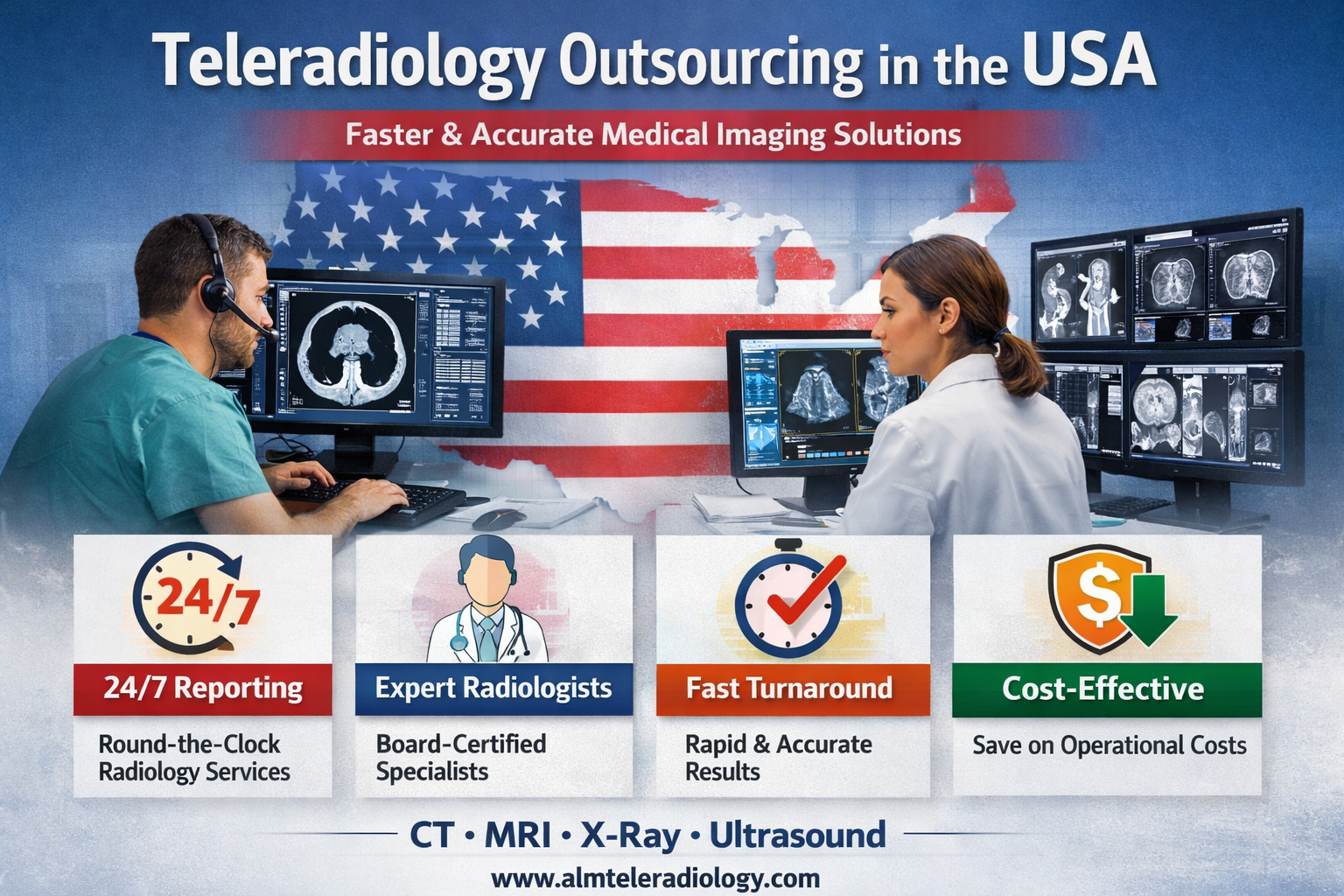
In modern healthcare, speed without accuracy is meaningless. Physicians rely on radiology reports to diagnose critical conditions, plan surgeries, and monitor chronic illnesses. Any delay in report delivery can negatively influence treatment outcomes. Teleradiology teams work around the clock, ensuring continuous availability of board-certified radiologists. This 24/7 support structure shortens turnaround times and improves the reliability of patient care. Remote reporting systems also use high-resolution digital tools, allowing radiologists to view images clearly, collaborate with physicians, and maintain consistent interpretation quality even when they are not physically present in the hospital.
How Teleradiology Strengthens the Hospital Workflow
One of the main reasons hospitals turn to remote reporting solutions is to balance workloads. Internal radiologists are often burdened with administrative responsibilities, teaching duties, and emergency cases. With teleradiology support, hospitals can redistribute reporting responsibilities and allow their in-house teams to focus on complex or urgent imaging tasks. This enhanced workflow ensures smoother patient management. Reports are delivered faster, and radiologists are not overwhelmed during peak hours. The result is a more structured, efficient, and stress-free imaging department.
The Role of Technology in Modern Radiology
Cutting-edge technology supports the entire teleradiology framework. High-speed internet, secure cloud storage, advanced imaging software, and encrypted communication systems create a safe environment for sharing sensitive medical data. Artificial intelligence tools also assist with image enhancement and workflow prioritization. These technologies ensure that facilities receive accurate reports with minimal errors. For regions facing radiologist shortages, technology bridges gaps and ensures patients receive expert diagnostic support regardless of geography. The growing confidence in digital health innovations proves that future radiology will rely even more heavily on remote systems.
Why Healthcare Providers Choose Teleradiology Outsourcing
Medical institutions choose remote radiology solutions for various reasons, and one of the strongest is cost efficiency. Maintaining a full in-house radiology department can be expensive due to staffing, equipment, and operational costs. Outsourcing helps facilities reduce these expenses while still receiving top-quality reporting. Many providers also prefer outsourcing because it allows them to scale their services without hiring new personnel. They gain access to a wide pool of radiologists with specialized expertise in neurology, musculoskeletal imaging, cardiology, and pediatrics. This ensures diverse reporting capabilities without additional training or recruitment costs.
Improving Patient Satisfaction Through Faster Access to Reports
Patients today expect healthcare services to be quick, organized, and transparent. When reports are delayed, anxiety rises and trust decreases. Teleradiology helps hospitals deliver results faster, which directly improves patient experience. The ability to receive accurate reports in shorter timeframes strengthens communication between doctors and patients, leading to earlier treatment decisions. Patients also benefit from the consistency in reporting quality because remote radiologists use standardized interpretation methods. Faster recovery decisions and clearer explanations of imaging results ultimately enhance the patient journey.
The Connection Between Teleradiology and Medical Quality Assurance
Quality assurance plays a major role in clinical imaging. Radiology errors can lead to misdiagnosis and unsafe treatment plans. This is why the secondary keyword teleradiology service must follow strict quality control protocols. Many remote reporting centers conduct internal audits, peer reviews, and double reading to ensure accuracy. These practices reduce the chances of misinterpretation and improve trust between hospitals and remote radiologists. Healthcare providers appreciate the transparency and accountability that comes with well-structured quality assurance systems. As healthcare evolves, this focus on accuracy ensures that teleradiology remains a reliable partner for hospitals worldwide.
How Remote Radiology Supports Night and Emergency Reporting
Nighttime emergencies are among the biggest challenges for medical institutions. Internal radiology departments may not have enough staff to cover night duties, and this often leads to delayed diagnoses. Teleradiology teams fill this gap by offering 24/7 night coverage, including STAT reporting for emergency situations. Trauma centers, stroke units, and intensive care departments rely heavily on instant imaging interpretations. Remote reporting ensures continuity of care at all hours, supporting clinical teams during high-pressure cases. This round-the-clock availability is one of the strongest reasons hospitals integrate remote diagnostic solutions into their daily operations.
A Glimpse Into the Future of Global Radiology
The future of medical imaging is becoming increasingly digital, decentralized, and interconnected. As healthcare systems grow, radiology workloads will continue rising. Teleradiology will play an even more important role by offering specialized support, faster turnarounds, and cost-efficient solutions for healthcare providers worldwide. The rise of artificial intelligence, automation, and real-time cloud diagnostics will further streamline the reporting process. However, the core foundation will remain the same: expert human radiologists supported by advanced technology, working together to provide accurate imaging insights. Hospitals that adopt this model will be able to deliver consistent, reliable patient care while meeting the demands of the modern medical environment.
Conclusion
The evolution of healthcare in 2025 highlights how teleradiology is no longer an optional service but a vital part of an efficient medical system. As patient volumes grow and radiologist shortages persist, outsourcing becomes one of the most effective ways to maintain rapid, accurate, and continuous diagnostic services. By combining digital innovation with expert remote reporting teams, healthcare providers can improve workflow, reduce costs, and enhance patient outcomes. The journey toward a globally connected healthcare environment continues, and teleradiology stands at the center of this transformation.
For more information visit https://almteleradiology.com/
Recent Posts
-
 PET/CT Reporting Services in Florida — The Complete 2026 Guide for Hospitals & Imaging Centers
17-Apr-2026
PET/CT Reporting Services in Florida — The Complete 2026 Guide for Hospitals & Imaging Centers
17-Apr-2026
-
 Teleradiology Services Texas USA — ALM Teleradiology 24/7 Expert Reads for Hospitals & Imaging Centers
09-Apr-2026
Teleradiology Services Texas USA — ALM Teleradiology 24/7 Expert Reads for Hospitals & Imaging Centers
09-Apr-2026
-
 Night Shift Teleradiology California USA: Complete 2026 Guide for Hospitals, Imaging Centers & Urgent Care | ALM Teleradiology
31-Mar-2026
Night Shift Teleradiology California USA: Complete 2026 Guide for Hospitals, Imaging Centers & Urgent Care | ALM Teleradiology
31-Mar-2026
-
 After hours teleradiology california USA – 24/7 Expert Radiology Reporting Services
26-Mar-2026
After hours teleradiology california USA – 24/7 Expert Radiology Reporting Services
26-Mar-2026
-
 Teleradiology Services California USA: The Complete 2026 Guide for Hospitals, Clinics & Imaging Centers
19-Mar-2026
Teleradiology Services California USA: The Complete 2026 Guide for Hospitals, Clinics & Imaging Centers
19-Mar-2026