
In the fast-paced world of modern healthcare, teleradiology reporting services have emerged as a game-changer, allowing radiologists to interpret medical images remotely and deliver timely diagnoses to patients across the United States. These services involve the transmission of radiological images like X-rays, CT scans, MRIs, and ultrasounds from one location to another for expert analysis, often using advanced teleradiology systems and PACS (Picture Archiving and Communication Systems). With the rise of telemedicine, teleradiology interpretation services are now integral to hospitals, clinics, and urgent care centers nationwide, ensuring 24/7 coverage even in underserved areas.
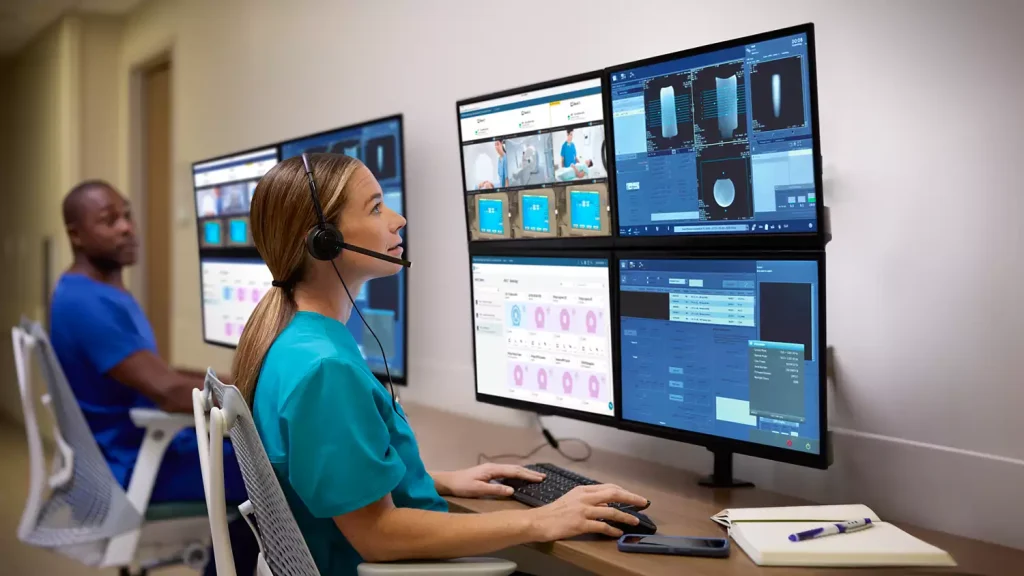
What Are Teleradiology Reporting Services?
Teleradiology reporting services encompass the remote reading and interpretation of diagnostic images by qualified radiologists. This includes teleradiology interpretations for routine scans as well as specialized over-read services where a second opinion is needed for complex cases. In the US, providers like Vesta Teleradiology and vRad offer comprehensive solutions, including Nighthawk coverage for after-hours emergencies and subspecialty reads by board-certified experts. Teleradiology specialists use secure platforms to access images, providing accurate reports that support better patient outcomes.
For those seeking reliable teleradiology interpretation services, platforms like ALM Teleradiology offer seamless integration with existing workflows, including online locum radiologists and second-opinion consultations.
Benefits of Teleradiology in the USA
The adoption of teleradiology over read services in the United States brings numerous advantages, particularly in a country with diverse geographic and demographic challenges. Key benefits include:
- Faster Turnaround Times: Services like Experity Teleradiology boast 99.97% accuracy and rapid results, reducing patient wait times and enabling quicker treatment decisions.
- Cost Savings: By outsourcing interpretations, healthcare facilities can lower operational expenses while accessing top-tier teleradiology specialists without the need for on-site staff.
- 24/7 Accessibility: Ideal for rural areas or busy urban hospitals, teleradiology ensures round-the-clock coverage, improving efficiency and patient care.
- Enhanced Collaboration: Remote work allows radiologists to balance personal life while providing high-quality service, as seen in flexible scheduling models.
- Improved Accuracy: With subspecialty expertise, teleradiology reduces diagnostic errors and supports better medical decision-making.
These perks make teleradiology a vital tool for US healthcare providers facing staffing shortages and increasing imaging demands.
The Role of Teleradiology PACS and Systems
At the heart of effective teleradiology are robust teleradiology PACS and systems that facilitate secure image storage, retrieval, and sharing. Solutions like PaxeraHealth’s teleradiology PACS enable anytime, anywhere access, integrating with cloud-based platforms for faster interpretations. In the US, HIPAA-compliant systems ensure data privacy, while hybrid models from providers like Radsource support both on-site and remote operations.
For a deeper dive into advanced teleradiology systems, check out ALM’s DICOM Viewer, which offers independent installation and compatibility with various setups.
Pediatric Teleradiology: Specialized Care for Young Patients
Pediatric teleradiology addresses the unique needs of children, requiring specialized equipment and expertise to minimize radiation exposure and ensure accurate diagnoses. In the USA, services from NightHawk Radiology and Texas Children’s Hospital provide 24/7 interpretations tailored for pediatric cases, helping facilities without on-site specialists. This subspecialty ensures faster, child-friendly imaging, reducing stress for young patients and their families.
Market Overview and Future Trends in the US
The United States teleradiology market is booming, projected to reach USD 45,999.7 million by 2035 with a CAGR of 23.04%. Driven by AI advancements, telemedicine mandates, and post-pandemic shifts, the sector is expected to grow significantly in 2025. North America leads globally, with innovations in cloud tech and staffing solutions reshaping the industry.
For insights into top providers, including teleradiology specialists in Phoenix AZ, explore ALM Teleradiology’s blog on Top 10 Teleradiology Companies in the United States for 2025.
Choosing the Right Teleradiology Provider
When selecting a teleradiology provider in the US, look for US-board-certified teleradiologists (or teleradiologi, as sometimes abbreviated), fast turnaround, and integrated PACS support. Companies like StatRad emphasize patient-centered care with 24/7 support, while ALM Teleradiology stands out for its seamless transitions and expert team.
To learn more about outsourcing options, visit ALM Teleradiology’s About Us page for details on their 25 years of experience in quality reporting.
Conclusion
Teleradiology reporting services are transforming healthcare delivery in the United States, offering efficiency, expertise, and accessibility. Whether for general interpretations, pediatric cases, or advanced over-reads, these services powered by cutting-edge teleradiology systems and PACS are essential for 2025 and beyond. If you’re a healthcare provider looking to enhance your radiology workflow, consider partnering with a trusted name like ALM Teleradiology for tailored solutions.
Recent Posts
-
 Teleradiology Interpretation Services 24/7 in USA — ALM Teleradiology Expert Reads, Every Hour of Every Day
03-Mar-2026
Teleradiology Interpretation Services 24/7 in USA — ALM Teleradiology Expert Reads, Every Hour of Every Day
03-Mar-2026
-
 Mobile PET/CT Services United States Providers: The Complete 2026 Guide for Hospitals & Imaging Centers
27-Feb-2026
Mobile PET/CT Services United States Providers: The Complete 2026 Guide for Hospitals & Imaging Centers
27-Feb-2026
-
 Outsource Radiology Credentialing: The Complete 2026 Guide for U.S. Healthcare Facilities
20-Feb-2026
Outsource Radiology Credentialing: The Complete 2026 Guide for U.S. Healthcare Facilities
20-Feb-2026
-
 Which Company Has the Best Cloud PACS for Teleradiology? (2026 Expert Guide)
18-Feb-2026
Which Company Has the Best Cloud PACS for Teleradiology? (2026 Expert Guide)
18-Feb-2026
-
 The Complete Guide to Locum Radiologist Services: Teleradiology, PACS, DICOM & Second Opinions
12-Feb-2026
The Complete Guide to Locum Radiologist Services: Teleradiology, PACS, DICOM & Second Opinions
12-Feb-2026