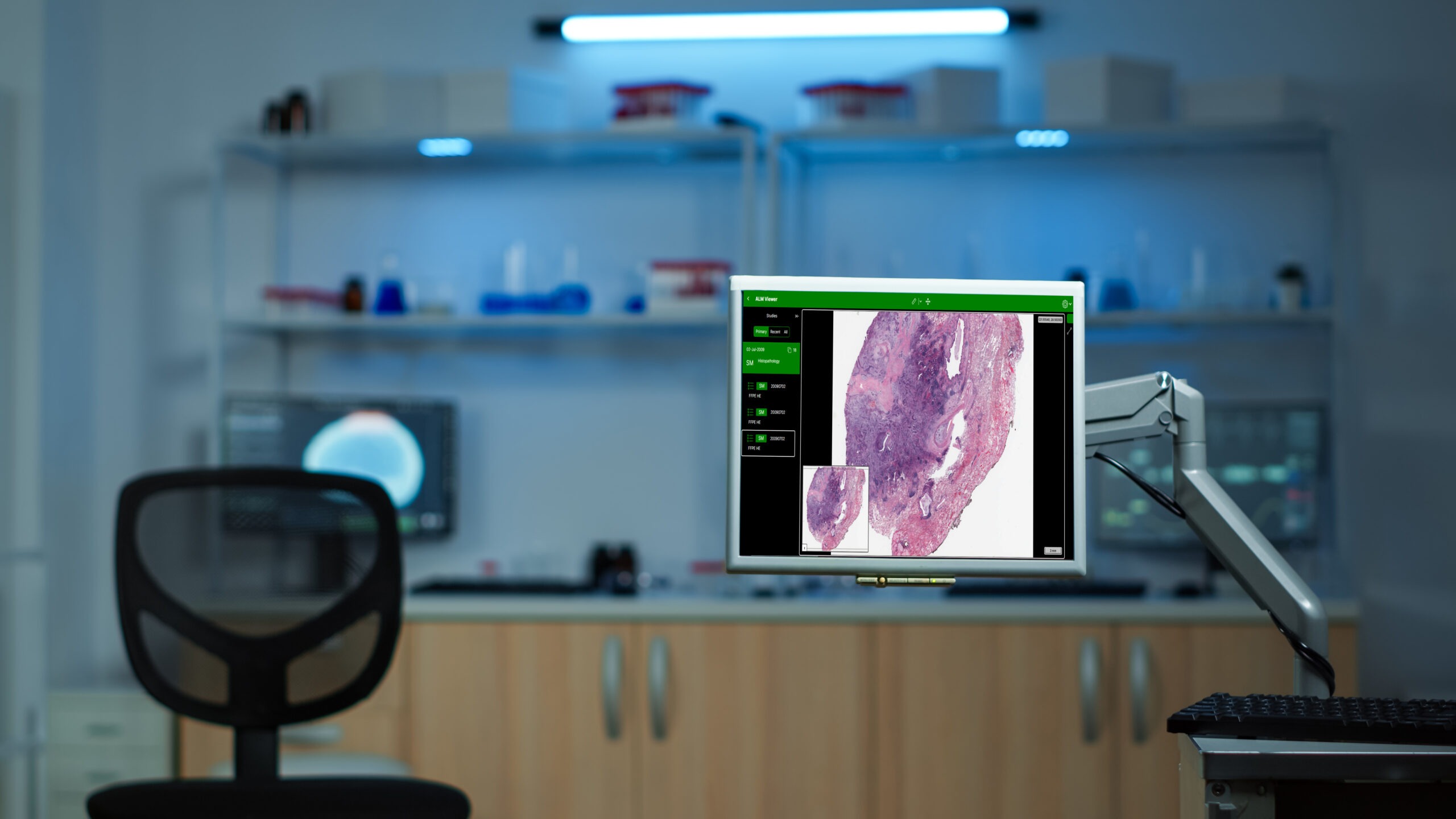
Quick Answer: A locum radiologist is a qualified, licensed radiologist who fills temporary or contract-based positions — either on-site or remotely via teleradiology — providing diagnostic imaging interpretation, peer review, second opinions, and subspecialty reads for healthcare facilities facing coverage gaps, staffing shortages, or surge demand.
Table of Contents
- What Is a Locum Radiologist?
- The Rise of Teleradiology Solutions
- ALM Teleradiology: Setting the Standard
- Second Opinion & Peer Review Services
- DICOM Viewers and Cloud PACS Technology
- Subspecialty Teleradiology Services
- Teleradiology in Urgent Care & Disaster Medicine
- How to Choose the Best Teleradiology Provider
- Real-World Experience: A Night in the Life of a Teleradiologist
- Teleradiology Workflow, Licensing & Rates
- Comparison: Top Teleradiology Companies
- FAQ
- Conclusion
1. What Is a Locum Radiologist? {#what-is}
A locum radiologist — from the Latin locum tenens, meaning “placeholder” — is a board-certified radiologist who works on a temporary, contract, or shift-based basis to fill staffing gaps in hospitals, imaging centers, urgent care clinics, and teleradiology networks. Unlike a permanent staff radiologist, a radiologist locum may rotate across multiple facilities, work remotely through a cloud-based teleradiology platform, or provide specialized subspecialty reads on demand.
Why the Demand for Locum Radiologists Is Surging
The global shortage of radiologists has pushed facilities to creative staffing solutions. According to the American College of Radiology (ACR), demand for imaging interpretations is growing at approximately 3–5% annually, while residency training slots are not keeping pace. Key drivers include:
- Rural and underserved community access — many regions lack permanent radiology coverage
- After-hours and overnight coverage — “nighthawk radiology” services fill the 3 a.m. gap
- Surge coverage — pandemic-era lessons demonstrated the need for scalable teleradiology services
- Subspecialty demand — general radiologists often need pediatric, neuro, or musculoskeletal specialists
- Burnout and retirement — an aging radiologist workforce is accelerating vacancy rates
Locum Tenens vs. Permanent Radiology Staff
| Factor | Locum Radiologist | Permanent Radiologist |
|---|---|---|
| Flexibility | High — shifts, contracts, remote | Low — fixed schedule |
| Cost to facility | Per-read or daily rate | Salary + benefits + overhead |
| Licensing burden | Handled by agency | Facility manages |
| Subspecialty access | On-demand via teleradiology | Limited to staff skills |
| Turnaround time | Often sub-30 minutes (teleradiology) | Standard business hours |
| Technology required | Cloud PACS, DICOM viewer | On-premises or hybrid |
2. The Rise of Teleradiology Solutions {#teleradiology}
Teleradiology is the electronic transmission of radiological patient images — X-rays, MRIs, CT scans, PET scans — from one location to a teleradiologist at a remote location for interpretation and reporting. Once a niche workaround, tele radiology has become the backbone of modern radiology coverage.
What Is Teleradiology? A Clinical Definition
Per the ACR Practice Parameter on Teleradiology, teleradiology involves the electronic transmission of images and patient data to radiologists who interpret them remotely. The teleradiology definition encompasses everything from simple after-hours reads to complex, integrated teleradiology systems that serve entire hospital networks.
What does “tele” mean in medical terms? The prefix tele- derives from the Greek word for “far off” or “at a distance,” meaning teleradiology literally means radiology performed at a distance — the radiologist is not physically present where the imaging occurs.
Core Components of a Teleradiology System
A robust teleradiology system requires:
- DICOM-compliant image capture at the originating site
- Secure, high-bandwidth data transmission (VPN or HL7 FHIR-compliant)
- Cloud PACS or cloud-based PACS for image storage and retrieval
- DICOM viewer software — compatible with Mac, Android, and web browsers
- RIS software integration for scheduling and reporting
- Licensed teleradiologists credentialed in the states they read for
Teleradiology Benefits: Why Facilities Choose Remote Reads
- 24/7/365 coverage — no more uncovered overnight or weekend shifts
- Sub-60-minute turnaround on preliminary reads (STAT reads often < 30 min)
- Access to subspecialists without hiring full-time fellows
- Cost reduction — teleradiology outsourcing can reduce per-read costs by 30–50%
- Redundancy — teleradiology in disaster scenarios ensures continuity of care
- Scalability — volume-based pricing through top teleradiology companies
3. ALM Teleradiology: Setting the Standard {#alm}
ALM Teleradiology is a premier teleradiology solutions provider offering comprehensive teleradiology reporting services, subspecialty teleradiology, and radiology reading services to hospitals, urgent care centers, imaging clinics, and enterprise health systems across North America.
What Makes ALM Teleradiology Different?
Unlike legacy providers that rely on offshore reads or generic workflows, ALM Teleradiology is built on three pillars:
1. Subspecialty Depth ALM offers true subspecialty teleradiology — from pediatric teleradiology to neuro, cardiac, and musculoskeletal reads — ensuring facilities receive expert-level interpretation rather than a generalist’s best guess.
2. Cloud-Native Architecture The ALM platform leverages cloud-based teleradiology with an integrated cloud PACS system and DICOM web viewer, enabling zero-footprint access from any device — including a DICOM viewer for Mac, DICOM viewer Android, and any modern web browser.
3. Real-Time Teleradiology Consultation ALM’s teleradiology consultation service connects referring clinicians with board-certified radiologists in real time — not just for reports, but for clinical collaboration that improves patient outcomes.
ALM’s Core Services
- Teleradiology interpretation services — STAT, routine, and preliminary reads
- Locum radiologist placement — temporary and long-term contract staffing
- Radiologist second opinion services for complex or disputed cases
- Radiologist peer review programs compliant with ACR and TJC standards
- Teleradiology outsourcing for complete department coverage
- RIS software and PACS teleradiology system integration
- Radiology overread and final read programs for urgent care networks
4. Second Opinion & Peer Review Services {#second-opinion}
One of the most valuable — and underused — applications of teleradiology is the radiologist second opinion. Whether a patient has received a complex diagnosis and wants confirmation, or a referring physician has lingering doubts about an initial read, a second opinion radiologist can be life-changing.
When Should You Seek a Radiologist Second Opinion?
- After a cancer diagnosis based on imaging (especially rare or borderline findings)
- When symptoms don’t align with the initial imaging report
- Before proceeding with invasive surgery or intervention based on imaging
- When the original read was performed by a general radiologist on a subspecialty case
- For workers’ compensation or legal matters requiring a radiologist expert witness
- When imaging was performed at a low-volume facility without subspecialty expertise
How to Get a Radiologist Second Opinion Near You
Searching for a second opinion radiologist near me used to mean physically transporting films or CDs. Today, through platforms like ALM Teleradiology, the process is fully digital:
- Upload your DICOM images via a secure cloud portal
- Select your subspecialty need (neuro, MSK, oncology, pediatric, etc.)
- A board-certified second opinion radiologist reviews your case remotely
- A detailed radiology interpretation service report is returned — often within hours
Radiologist Peer Review: A Quality Assurance Essential
Radiologist peer review is a structured quality assurance process in which one radiologist reviews and evaluates another’s interpretation. Required by The Joint Commission (TJC) and most hospital accreditation bodies, peer review serves to:
- Identify discrepancy rates and diagnostic errors
- Fulfill CME and maintenance of certification requirements
- Protect facilities from liability with documented radiology industry compliance
- Drive continuous improvement in radiology reporting accuracy
ALM Teleradiology’s radiology overread and peer review programs are ACR-compliant and scalable — from single-physician practices to large hospital networks.
Radiologist as Expert Witness
In medico-legal cases, a radiologist expert witness provides testimony on the standard of care in imaging interpretation. ALM’s network includes fellowship-trained radiologists with expert witness experience across personal injury, malpractice, and workers’ compensation cases. Their reports are formatted to withstand deposition and cross-examination.
5. DICOM Viewers and Cloud PACS Technology {#dicom-pacs}
Behind every teleradiology read is a sophisticated technical infrastructure. Two pillars define this ecosystem: DICOM (Digital Imaging and Communications in Medicine) and PACS (Picture Archiving and Communication System).
What Is DICOM?
DICOM is the universal standard for medical imaging data. Every MRI, CT, X-ray, and ultrasound produced by modern equipment generates DICOM files — containing not just the image but critical metadata including patient ID, acquisition parameters, and modality type.
What Is PACS?
A PACS system — Picture Archiving and Communication System — is the infrastructure used to store, retrieve, distribute, and present DICOM images. DICOM and PACS work together as the foundation of every modern radiology department.
Cloud PACS: The Future of Medical Imaging Storage
Traditional on-premises PACS servers require significant capital investment, IT maintenance, and physical infrastructure. Cloud PACS — also called cloud-based PACS — eliminates these barriers:
| Feature | On-Premises PACS | Cloud PACS |
|---|---|---|
| Upfront cost | High ($250K–$1M+) | Low (subscription-based) |
| Scalability | Limited by hardware | Unlimited, on-demand |
| Disaster recovery | Manual backup required | Automated, redundant |
| Remote access | VPN-dependent | Native web/mobile access |
| IT overhead | Dedicated radiology IT team | Vendor-managed |
| Integration | Complex custom work | API-native, HL7/FHIR |
PACS cloud computing has democratized access to enterprise imaging infrastructure. Small imaging centers and rural hospitals can now access the same DICOM management capabilities as major academic medical centers.
Best DICOM Viewers: Platform-by-Platform Guide
Choosing the right DICOM viewer depends on your platform and use case.
Best DICOM Viewer for Mac
The best DICOM viewer for Mac options in 2024–2025 include:
- OsiriX MD — the gold standard for Mac, CE-marked for clinical use, supports all major modalities
- Horos — a free, open-source fork of OsiriX with an active community
- RadiAnt DICOM Viewer — cross-platform, fast 3D rendering, popular for teleradiology
- Mac DICOM viewer via ALM’s zero-footprint web client — no installation required, browser-based
The viewer DICOM Mac ecosystem is mature, with Apple Silicon (M1/M2/M3) native builds available for the major platforms.
DICOM Viewer for Android
For mobile radiology on tablets and phones, the best DICOM viewer Android options include:
- Mobile MIM — FDA-cleared, supports nuclear medicine and PET/CT
- DICOMdroid — lightweight, free option for quick reference views
- OsiriX for iOS/Android companion — syncs with desktop OsiriX instances
- ALM’s cloud DICOM viewer — HTML5-based, works on any Android browser
Cloud-Based DICOM Viewer / DICOM Web Viewer
A cloud-based DICOM viewer or DICOM web viewer runs entirely in a browser — no installation, no local storage. Key features to look for:
- Zero-footprint architecture (HTML5/WebGL)
- Support for multi-series, multi-frame datasets
- Hanging protocols for subspecialty workflows
- HIPAA-compliant audit logging
- Integration with cloud PACS via WADO-RS/STOW-RS
RadiAnt DICOM Viewer and ALM’s integrated DICOM viewer cloud solution are popular choices for teleradiology workflows requiring rapid image access across facilities.
RIS Software: The Workflow Layer
While PACS handles images, RIS software (Radiology Information System) manages the administrative and clinical workflow — scheduling, order management, report generation, and billing. The best RIS software options integrate natively with PACS DICOM systems and EMRs (electronic medical records, sometimes called radiology EMR).
PACS and RIS together form the operational backbone of any teleradiology or locum radiology deployment. ALM Teleradiology’s platform offers DICOM PACS system integration with major RIS vendors, including bridge connectivity for legacy systems.
6. Subspecialty Teleradiology Services {#subspecialty}
General radiology reads cover the majority of imaging cases, but complex or rare findings demand subspecialty expertise. Subspecialty teleradiology connects facilities with fellowship-trained radiologists who interpret specific imaging types with a level of precision that generalists cannot match.
ALM Teleradiology’s Subspecialty Offerings
Pediatric Teleradiology Children are not small adults — their anatomy, pathology, and radiation sensitivity require a specialist. Pediatric teleradiology through ALM ensures that pediatric imaging — from neonatal head ultrasounds to pediatric oncology MRIs — is read by radiologists with fellowship training in pediatric radiology. Radiation dose optimization (ALARA protocols) is built into every pediatric workflow.
Neuroradiology Stroke, MS, intracranial hemorrhage, and spine pathology demand subspecialty reads. ALM’s neuroradiology teleradiology service delivers rapid, expert interpretation for time-sensitive neurological cases.
Musculoskeletal (MSK) Radiology Sports injuries, arthritis staging, and pre-surgical planning benefit from MSK subspecialty reads — particularly important for orthopedic practices and sports medicine facilities.
Cardiac Imaging Cardiac MRI and CT angiography require fellowship-level expertise. ALM’s cardiac teleradiology service supports advanced cardiac center workflows.
Breast Imaging / Mammography Teleradiology interpretation of mammography, breast MRI, and tomosynthesis by fellowship-trained breast imagers supports screening programs in underserved markets.
Emergency/Trauma Radiology 24/7 subspecialty coverage for Level I and II trauma centers — including CT, plain film, and interventional guidance support.
7. Teleradiology in Urgent Care & Disaster Medicine {#urgent}
Urgent Care Teleradiology
The explosive growth of urgent care centers has created massive demand for urgent care teleradiology — rapid, reliable interpretation of plain films, CT scans, and X-rays obtained in the urgent care setting.
Key requirements for urgent care radiology interpretation services:
- Sub-30-minute preliminary read turnaround
- 24/7/365 availability — urgent care doesn’t stop at 5 p.m.
- Seamless RIS software and cloud PACS integration
- STAT escalation protocols for critical findings
- State-specific licensing compliance
ALM’s urgent care radiology interpretations service is purpose-built for high-volume, time-sensitive settings. Their workflow supports Experity teleradiology integration, one of the dominant urgent care RIS platforms, alongside other urgent care EMR systems.
Teleradiology in Disaster Medicine
Teleradiology in disaster scenarios — mass casualty events, pandemics, natural disasters — represents one of the most compelling applications of remote radiology. When a hospital’s radiology department is overwhelmed or physically compromised, teleradiology services provide critical continuity.
During COVID-19, teleradiology volume surged as facilities deployed cloud-based teleradiology to maintain imaging operations with reduced on-site staff. Wilderness medical staffing organizations have also adopted teleradiology to support remote expedition medicine, where imaging must be interpreted hundreds of miles from the nearest radiologist.
The ACR and FEMA have both recognized teleradiology in disaster preparedness planning as a critical component of healthcare system resilience.
8. How to Choose the Best Teleradiology Provider {#choose}
With dozens of options on the market — from emergence teleradiology startups to established giants like legacy nighthawk teleradiology services — choosing the right teleradiology provider requires careful evaluation across multiple dimensions.
10-Point Evaluation Framework for Teleradiology Services
- Subspecialty depth — Does the provider offer true subspecialty teleradiology interpretations, or only general reads?
- State licensing — Does the provider hold licenses in all states where your patients are imaged? Teleradiology licensing requirements vary by state.
- Turnaround time guarantees — STAT reads should be < 30 min; routine reads < 4 hours
- Technology stack — Is the teleradiology software cloud-native? Does it integrate with your existing PACS teleradiology and RIS systems?
- Credentialing — Are all teleradiologists board-certified by ABR? Is peer review documented?
- Accreditation — Look for ACR accreditation and TJC compliance
- Security & HIPAA — End-to-end encryption, SOC 2 Type II certification, business associate agreements
- Support — 24/7 technical support, dedicated account management
- Reporting quality — Are reports structured, actionable, and formatted for your clinical context?
- Pricing transparency — Per-read pricing vs. volume contracts; understand your teleradiology rates fully
Best Teleradiology Companies: Market Overview
The teleradiology services market includes a range of players, from national teleradiology groups to regional specialists. When evaluating the best teleradiology providers, consider both the technology infrastructure and the radiologist talent network.
Key attributes of top teleradiology companies:
- U.S.-based, board-certified radiologists (not offshore reads)
- Subspecialty coverage without generalist fallback
- Cloud-native teleradiology system with zero-footprint viewer
- Transparent pricing and credentialing documentation
- Proven track record with healthcare systems of similar size and complexity
ALM Teleradiology consistently ranks among best teleradiology companies to work for — attracting top radiologist talent through flexible scheduling, competitive compensation, and a sophisticated teleradiology workflow platform that minimizes administrative friction.
9. Real-World Experience: A Night in the Life of a Teleradiologist {#real-world}
The following account is composite, based on typical teleradiology practice patterns.
Dr. Sarah K., a fellowship-trained neuroradiologist and locum radiologist for ALM Teleradiology, begins her overnight shift at 10 p.m. from her home office in suburban Chicago. Within minutes of logging into ALM’s cloud-based teleradiology portal, a STAT CT head arrives from a rural critical-access hospital in Montana — a 68-year-old presenting with sudden onset aphasia.
The images populate instantly in the DICOM web viewer — no lag, no download. Using her Mac DICOM viewer (OsiriX MD), she identifies a hyperdense MCA sign consistent with acute ischemic stroke. Within 12 minutes of image arrival, her preliminary report is transmitted back to the emergency physician in Montana. The patient is transferred and receives tPA.
“The technology has removed every barrier,” Dr. K. explains. “The cloud PACS is seamless. The images look identical to what I’d see on a hospital workstation. The only difference is that without teleradiology, that hospital wouldn’t have had a neuroradiologist available at midnight.”
By 6 a.m., Dr. K. has read 47 cases — MRIs, CTs, plain films — for facilities in four states. She’s participated in two radiologist second opinion consults for complex oncology cases, and flagged one case for radiologist peer review follow-up.
This is what modern teleradiology solutions look like in practice.
10. Teleradiology Workflow, Licensing & Rates {#workflow}
Teleradiology Workflow: From Image to Report
A well-optimized teleradiology workflow follows this sequence:
- Image Acquisition — Patient imaged at facility; DICOM files generated
- Image Transmission — Files pushed to cloud PACS via secure, HIPAA-compliant transmission
- Worklist Generation — RIS software assigns studies to available teleradiologists based on subspecialty and priority
- Image Interpretation — Radiologist reads study using DICOM viewer (web, Mac, or Android)
- Report Generation — Structured report dictated or typed into RIS
- Critical Value Escalation — STAT findings communicated directly to ordering physician
- Report Delivery — Final report transmitted to facility EHR/RIS
- Quality Assurance — Peer review sampling and discrepancy tracking
Teleradiology Licensing Requirements by State
Teleradiology licensing requirements vary significantly by state. Key principles:
- Most states require radiologists to be licensed in the state where the patient is located — not where the radiologist sits
- Some states offer teleradiology-specific or expedited licensing
- The Interstate Medical Licensure Compact (IMLC) allows eligible physicians to obtain licenses in multiple states more efficiently
- ATR (Advanced Teleradiology) compliance programs help manage multi-state licensing portfolios
ALM Teleradiology manages state licensing for all network radiologists — removing this burden entirely from client facilities.
Teleradiology Rates: What to Expect
Teleradiology rates vary based on modality, subspecialty, turnaround time, and volume. General benchmarks:
| Service Type | Typical Rate Range |
|---|---|
| Plain film (X-ray) | $4–$10 per read |
| CT (routine) | $15–$35 per read |
| MRI (routine) | $20–$45 per read |
| Subspecialty MRI (neuro, cardiac) | $40–$80 per read |
| STAT/overnight premium | +20–40% surcharge |
| Second opinion reads | $75–$200 per case |
| Expert witness consultation | $300–$600/hour |
Note: Rates are directional benchmarks. Contact ALM Teleradiology for customized pricing based on your facility’s volume and needs.
Does Medicare Cover MRI and CT Scans?
A common question from patients: does Medicare cover MRI and CT scans? The answer is generally yes — Medicare Part B covers medically necessary diagnostic imaging, including MRIs and CT scans, when ordered by a physician for a covered medical indication. The patient typically pays 20% of the Medicare-approved amount after meeting the Part B deductible. Coverage for teleradiology interpretation follows the same rules as in-person reads when properly billed.
11. Comparison: Top Teleradiology Companies {#comparison}
Feature Comparison: Leading Teleradiology Providers
The following comparison covers key differentiators across the teleradiology services landscape. (Note: This table reflects publicly available information and industry benchmarks.)
| Feature | ALM Teleradiology | Nighthawk (Legacy) | US Teleradiology | Emergence Teleradiology |
|---|---|---|---|---|
| U.S.-based reads | ✅ Yes | ⚠️ Partial | ✅ Yes | ✅ Yes |
| Subspecialty depth | ✅ Full | ⚠️ Limited | ✅ Full | ⚠️ Limited |
| Cloud PACS integration | ✅ Native | ❌ Legacy | ✅ Partial | ✅ Native |
| Pediatric teleradiology | ✅ Fellowship-trained | ❌ No | ✅ Yes | ❌ No |
| Urgent care focus | ✅ Yes | ⚠️ Limited | ✅ Yes | ✅ Yes |
| Locum placement | ✅ Full service | ❌ No | ⚠️ Limited | ❌ No |
| Second opinion service | ✅ Yes | ❌ No | ⚠️ Limited | ❌ No |
| Mobile DICOM viewer | ✅ Android + iOS | ⚠️ Limited | ✅ Yes | ⚠️ Limited |
| Peer review program | ✅ ACR-compliant | ⚠️ Basic | ✅ Yes | ⚠️ Basic |
| STAT turnaround (<30 min) | ✅ Guaranteed | ⚠️ Best effort | ✅ SLA-backed | ⚠️ Best effort |
Why ALM Teleradiology Leads the Market
The differentiator isn’t any single feature — it’s the combination of subspecialty depth, cloud-native technology, and locum radiologist placement under one platform. Most teleradiology outsourcing providers offer reads or staffing. ALM offers both, alongside second opinion services, peer review, and a fully integrated PACS teleradiology and RIS software ecosystem.
12. Frequently Asked Questions {#faq}
FAQ: Locum Radiologist & Teleradiology
Q1: What qualifications does a locum radiologist need?
A locum radiologist must hold a medical degree (MD or DO), complete a 5-year radiology residency, pass ABR board certification, hold a valid medical license in the state(s) of practice, and maintain hospital or facility credentialing. For teleradiology, multi-state licensing via the IMLC compact is increasingly standard for teleradiologists in high-volume networks.
Q2: How quickly can I get a radiologist second opinion through teleradiology?
Through ALM Teleradiology’s second opinion radiologist service, most cases are reviewed within 24–48 hours of image submission. STAT second opinions for urgent clinical decisions can often be completed within 4–8 hours. Simply upload your DICOM images via the secure cloud portal and select your subspecialty preference.
Q3: What is the difference between a PACS and a DICOM viewer?
DICOM is the image format standard; PACS is the storage and management infrastructure. A DICOM viewer (such as RadiAnt, OsiriX, or a cloud DICOM viewer) is the software used to open and interpret DICOM files. PACS handles storage, routing, and retrieval of those files. In a modern cloud-based teleradiology setup, both functions are often integrated into a single web platform.
Q4: Are teleradiology interpretations accepted by Medicare and insurance?
Yes. Teleradiology interpretations are reimbursable under Medicare Part B and most commercial insurance plans, provided the interpreting radiologist is appropriately licensed, credentialed, and the services are medically necessary. The teleradiology reporting must meet the same documentation standards as in-person reads. Note that billing rules for preliminary versus final reads differ.
Q5: How does pediatric teleradiology differ from standard teleradiology?
Pediatric teleradiology requires fellowship-trained pediatric radiologists who understand pediatric-specific anatomy, pathology, and disease presentation — as well as radiation dose optimization protocols (ALARA). Children’s imaging (from neonatal ultrasounds to pediatric oncology MRIs) should not be interpreted by generalist radiologists without pediatric training. ALM’s dedicated pediatric teleradiology team ensures subspecialty expertise for every pediatric case.
13. Conclusion {#conclusion}
The landscape of radiology has been fundamentally transformed by locum radiologist models and teleradiology solutions. What was once a specialty confined to hospital reading rooms is now a 24/7, globally accessible, subspecialty-rich service delivered through cloud PACS, DICOM web viewers, and purpose-built teleradiology software.
For healthcare facilities, the message is clear: staffing gaps, coverage limitations, and subspecialty shortfalls are no longer barriers when you have the right teleradiology partner. For patients, radiologist second opinion services and subspecialty access have never been more accessible.
ALM Teleradiology stands at the intersection of clinical excellence and technological innovation — offering locum radiologist placement, subspecialty teleradiology interpretations, radiologist peer review, second opinion radiology services, and a fully integrated cloud-based teleradiology platform that scales from a single urgent care site to a multi-hospital enterprise.
✅ Your Next Step
Ready to solve your radiology coverage challenges?
Contact ALM Teleradiology today to:
- Get a customized quote for teleradiology services at your facility
- Request a demo of the cloud PACS and DICOM web viewer platform
- Learn how subspecialty teleradiology can elevate your imaging program
- Discuss locum radiologist placement for temporary or long-term coverage needs
[Visit ALM Teleradiology to speak with a teleradiology specialist today.]
Sources & References
- American College of Radiology (ACR) — Practice Parameter on Teleradiology: https://www.acr.org/
- The Joint Commission — Radiology and Imaging Services Standards: https://www.jointcommission.org
- ARRS (American Roentgen Ray Society) — Teleradiology: Current Perspectives and Future Directions: https://www.arrs.org
- CMS Medicare — Medicare Coverage of Imaging Services (Part B): https://www.medicare.gov/
- DICOM Standard Committee — DICOM Standard Documentation: https://www.dicomstandard.org
Recent Posts
-
 Outsource Radiology Credentialing: The Complete 2026 Guide for U.S. Healthcare Facilities
20-Feb-2026
Outsource Radiology Credentialing: The Complete 2026 Guide for U.S. Healthcare Facilities
20-Feb-2026
-
 Which Company Has the Best Cloud PACS for Teleradiology? (2026 Expert Guide)
18-Feb-2026
Which Company Has the Best Cloud PACS for Teleradiology? (2026 Expert Guide)
18-Feb-2026
-
 The Complete Guide to Locum Radiologist Services: Teleradiology, PACS, DICOM & Second Opinions
12-Feb-2026
The Complete Guide to Locum Radiologist Services: Teleradiology, PACS, DICOM & Second Opinions
12-Feb-2026
-
 The Ultimate Guide to Teleradiology Services for Healthcare Providers
10-Feb-2026
The Ultimate Guide to Teleradiology Services for Healthcare Providers
10-Feb-2026
-
The Ultimate Guide to Hiring a Locum Radiologist in 2026
06-Feb-2026