Introduction
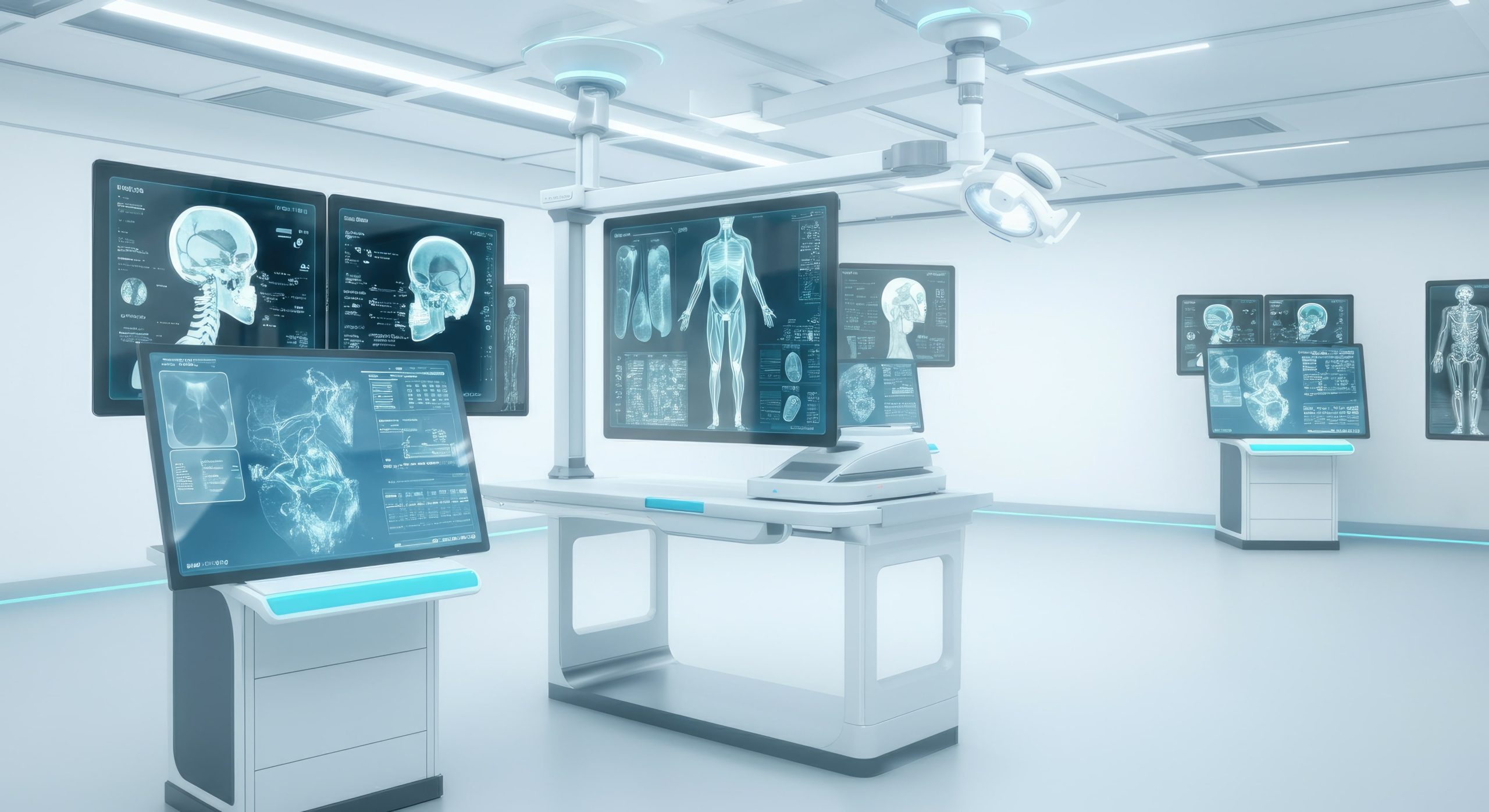
The world of digital healthcare has transformed rapidly over the last decade, and one of the biggest breakthroughs has been téléradiologies. As medical systems shift toward remote operations, digital diagnostics, and cloud-based imaging, téléradiology has become an essential part of both public and private healthcare. With rising patient demands, limited specialist availability, and the need for fast diagnostic turnaround, téléradiology services bridge the gap by offering radiology interpretations anytime and anywhere. Understanding this evolution helps healthcare providers make informed decisions about how tele-diagnostics fit into their workflows today and in the future.
Growing Need for Remote Diagnostic Solutions
Healthcare has changed significantly due to increased population, advanced imaging technologies, and the shortage of radiologists in many parts of the world. This imbalance has created a strong demand for remote image reading and reporting. Hospitals that once relied only on on-site radiologists now use digital platforms to transfer and interpret scans quickly. In this context, téléradiology has become a trusted solution because it reduces waiting time, improves accuracy, and ensures continuous patient care even during nights, weekends, and holidays. This shift demonstrates a growing reliance on digital tools to overcome workforce limitations and geographical barriers.
How Téléradiology Supports Emergency Medicine
Emergency departments require fast and accurate imaging reports to treat patients immediately. Whether it is a suspected fracture, stroke, or internal injury, timely radiology interpretation can be life-saving. This is where téléradiologie has transformed emergency care. By enabling radiologists to review images remotely, hospitals avoid long delays and ensure that critical cases receive prompt attention. This model also supports smaller clinics that cannot afford full-time radiologists. The availability of remote experts means every healthcare facility, regardless of size or location, can confidently manage urgent and complex cases.
Enhancing Diagnostic Accuracy Through Technological Innovation
Advancements in artificial intelligence, cloud computing, and secure data transmission have made modern téléradiology highly accurate and dependable. AI-powered tools assist radiologists by detecting early patterns, highlighting abnormalities, and suggesting possible diagnoses based on large datasets. High-resolution imaging and fast digital transfer systems ensure that specialists receive clear, detailed scans in real time. These technologies do not replace radiologists but improve their efficiency, help them avoid common interpretation errors, and provide a second layer of verification that enhances patient safety. As a result, téléradiology today is more precise than ever before.
Benefits for Hospitals, Clinics, and Healthcare Providers
For healthcare institutions, the adoption of téléradiology offers operational, financial, and clinical advantages. Hospitals can access specialized radiologists without recruiting large teams, reducing overall staffing costs. Clinics in remote or rural areas gain access to experienced radiology professionals who may not be available locally. The 24/7 availability of radiology reporting ensures that patient diagnosis is not delayed, helping doctors deliver timely treatment. Additionally, remote reporting minimizes administrative burden, accelerates outpatient workflow, and supports centers that manage large imaging volumes. This efficiency is invaluable in healthcare systems facing increasing patient loads.
Improving Patient Outcomes Through Faster Reporting
Patients benefit significantly from faster radiology reporting made possible by téléradiology networks. Early diagnosis is critical in diseases such as cancer, neurological disorders, and cardiovascular conditions. When radiology reports are delivered promptly, treatment can begin sooner, leading to better outcomes and reduced complications. Téléradiology also allows patients in underserved areas to receive care equivalent to that offered in advanced medical centers. This creates a more equitable healthcare system where no patient is denied quality radiological services due to their location or socioeconomic conditions.
Role of Téléradiology in Global Collaboration
Téléradiology encourages international cooperation among medical professionals. Radiologists from different countries can consult on complex cases, share expertise, and exchange insights. This collaboration enhances the accuracy of difficult diagnoses, especially in rare conditions that require advanced knowledge. Medical students and trainees also benefit by accessing diverse case studies and learning from global specialists. Furthermore, cross-border partnerships foster research in imaging technologies and diagnostic methods, making téléradiology an essential component of the future of global healthcare innovation.
Data Security and Patient Confidentiality in Téléradiology
With medical data being shared digitally, maintaining privacy and security is a top priority. Téléradiology platforms use encrypted communication channels, secure cloud storage, and strict access controls to protect patient information. Healthcare providers follow international regulations such as GDPR and HIPAA to ensure compliance. These measures maintain confidentiality while allowing specialists to access necessary images for diagnosis. As cyber-threats evolve, continuous updates and advanced security protocols ensure that téléradiology systems remain protected and trustworthy for both patients and providers.
Challenges and Limitations of Téléradiology
Despite its advantages, téléradiology faces several challenges. Some regions still struggle with limited internet connectivity, which affects image transfer speed. Smaller healthcare facilities may lack the digital infrastructure required to support remote reporting. Differences in time zones, medical practices, and reporting standards can sometimes complicate international collaborations. In addition, trust and communication between remote radiologists and on-site clinicians must be strong to ensure accurate and consistent diagnoses. Addressing these issues requires continuous investment in technology, training, and standardized protocols.
Future Trends Shaping the World of Téléradiology
The future of téléradiology is shaped by AI integration, deep learning, real-time 3D imaging, predictive diagnostics, and cloud-based radiology hubs. As technology evolves, tele-diagnostics will become even more advanced, accessible, and efficient. The rise of wearable health devices, combined with AI-supported monitoring, may allow patients to receive imaging-related insights instantly. Téléradiology will continue to expand across rural and developing regions, helping build a more inclusive healthcare ecosystem. This digital transformation marks an important milestone in global healthcare, where patient-centered care and technological innovation work together to create a healthier future.
FAQs
What is téléradiology?
Téléradiology is a medical service that enables radiologists to interpret imaging scans remotely using digital platforms. It improves access to specialists and ensures faster diagnostic reporting.
How does téléradiology improve patient care?
It speeds up diagnosis, supports emergency cases, and ensures patients in remote areas receive expert radiology services without visiting major hospitals.
Is téléradiology as accurate as traditional radiology?
Yes. With advancements in digital imaging and AI-assisted tools, téléradiology is highly accurate and often faster than on-site interpretations.
Why is téléradiology important for hospitals?
It reduces staffing pressure, enhances workflow efficiency, ensures 24/7 reporting availability, and provides access to specialized radiologists.
For more information visit https://almteleradiology.com/
Recent Posts
-
 Teleradiology Interpretation Services 24/7 in USA — ALM Teleradiology Expert Reads, Every Hour of Every Day
03-Mar-2026
Teleradiology Interpretation Services 24/7 in USA — ALM Teleradiology Expert Reads, Every Hour of Every Day
03-Mar-2026
-
 Mobile PET/CT Services United States Providers: The Complete 2026 Guide for Hospitals & Imaging Centers
27-Feb-2026
Mobile PET/CT Services United States Providers: The Complete 2026 Guide for Hospitals & Imaging Centers
27-Feb-2026
-
 Outsource Radiology Credentialing: The Complete 2026 Guide for U.S. Healthcare Facilities
20-Feb-2026
Outsource Radiology Credentialing: The Complete 2026 Guide for U.S. Healthcare Facilities
20-Feb-2026
-
 Which Company Has the Best Cloud PACS for Teleradiology? (2026 Expert Guide)
18-Feb-2026
Which Company Has the Best Cloud PACS for Teleradiology? (2026 Expert Guide)
18-Feb-2026
-
 The Complete Guide to Locum Radiologist Services: Teleradiology, PACS, DICOM & Second Opinions
12-Feb-2026
The Complete Guide to Locum Radiologist Services: Teleradiology, PACS, DICOM & Second Opinions
12-Feb-2026