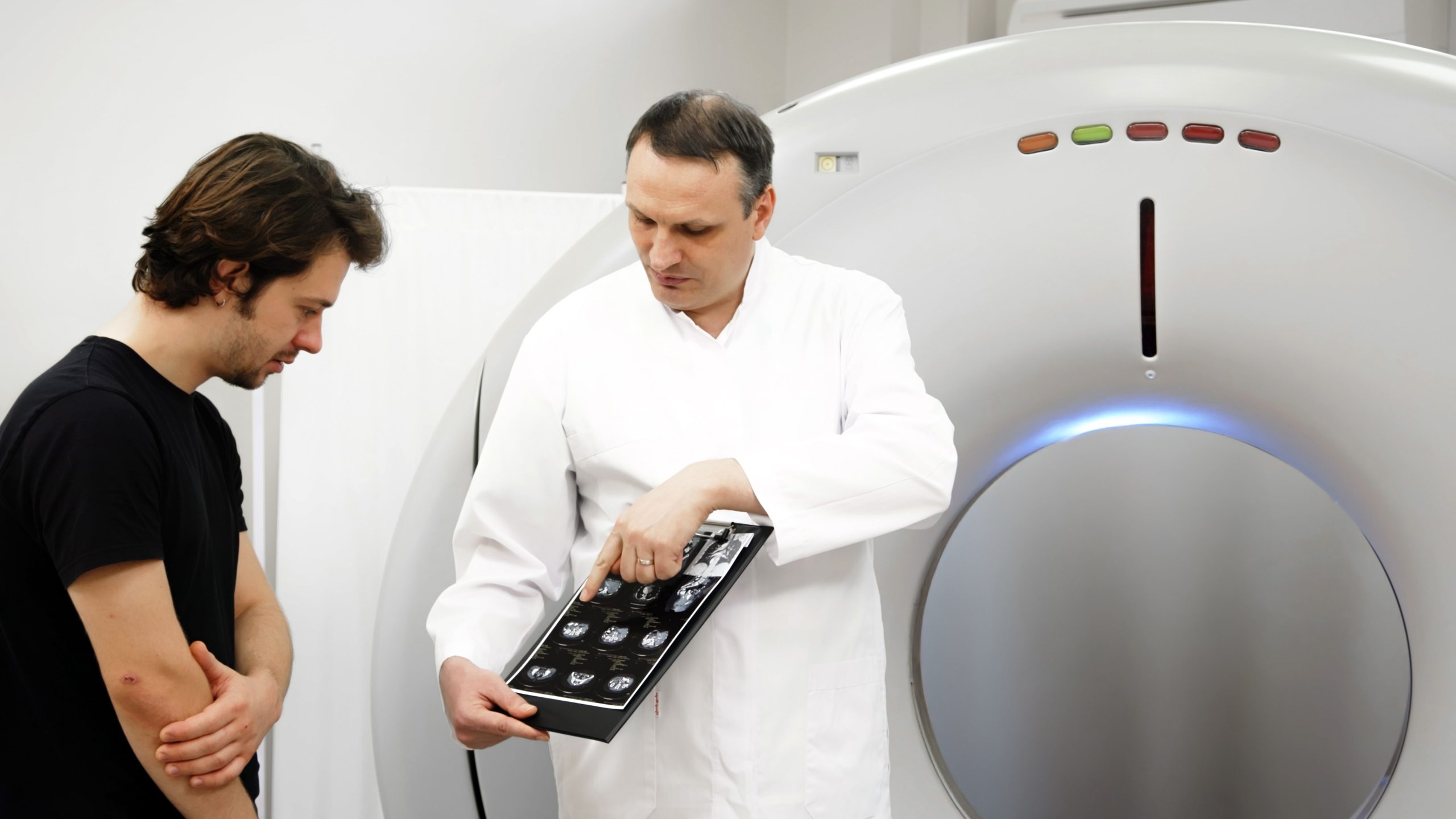
Introduction: A Digital Shift in Medical Imaging
The healthcare industry is undergoing a profound digital transformation, and medical imaging is one of the areas experiencing the fastest change. Hospitals, diagnostic centers, and healthcare providers are under constant pressure to deliver accurate results quickly while managing growing patient volumes. In this environment, teleradiology software has emerged as a practical and essential solution. It allows medical images to be securely transmitted from one location to another for interpretation by qualified radiologists, regardless of geographic boundaries. This shift is not simply about convenience; it reflects a broader need for efficiency, accessibility, and continuity of care in a world where timely diagnosis can significantly affect patient outcomes.
Understanding the Core Concept of Teleradiology
At its core, teleradiology is built on the idea of remote collaboration. Medical images such as X-rays, CT scans, MRIs, and ultrasounds are captured at one facility and then shared digitally with radiologists located elsewhere. This approach addresses shortages of specialized radiologists in rural or underserved regions and ensures that imaging studies are reviewed without unnecessary delays. Over time, advancements in internet connectivity, data compression, and cloud computing have strengthened this model, making remote image sharing both reliable and secure. As a result, healthcare providers can maintain high diagnostic standards while extending services beyond physical boundaries.
Why Healthcare Systems Are Adopting Digital Imaging Solutions
The growing adoption of digital imaging solutions is closely tied to rising patient expectations and operational demands. Patients today expect faster diagnoses and shorter waiting times, while healthcare organizations seek to optimize resources and reduce costs. Remote image interpretation helps facilities operate more efficiently by allowing continuous radiology coverage, including nights, weekends, and emergencies. It also supports collaboration among specialists, enabling second opinions and subspecialty reviews without requiring physical transfers. These benefits have positioned digital imaging platforms as a strategic component of modern healthcare infrastructure rather than an optional add-on.
Impact on Diagnostic Accuracy and Workflow Efficiency
One of the most significant advantages of remote radiology platforms lies in their impact on diagnostic accuracy and workflow efficiency. By distributing workloads among multiple radiologists, healthcare facilities can reduce burnout and minimize errors associated with high case volumes. Digital systems also support standardized reporting and image enhancement tools, which help radiologists identify subtle abnormalities more effectively. Faster turnaround times improve clinical decision-making, allowing physicians to initiate treatment sooner. Over time, this efficiency contributes to improved patient satisfaction and better overall healthcare outcomes.
Data Security and Compliance in Remote Imaging
As medical data becomes increasingly digital, concerns around privacy and compliance have taken center stage. Remote imaging platforms must adhere to strict regulations designed to protect patient information. Encryption, secure authentication, and controlled access are fundamental features that ensure sensitive data remains confidential during transmission and storage. Compliance with healthcare data protection standards is not optional; it is a core requirement that builds trust among patients and providers alike. Strong security frameworks ensure that the benefits of digital collaboration do not come at the expense of data integrity or patient privacy.
The Role of Cloud Technology in Scalability
Cloud-based infrastructure has played a crucial role in expanding the reach and scalability of remote imaging systems. By leveraging cloud environments, healthcare providers can store large volumes of imaging data without investing heavily in on-site hardware. This flexibility allows organizations to scale services up or down based on demand while maintaining consistent performance. Cloud technology also facilitates seamless updates and integration with other healthcare information systems, ensuring that imaging workflows remain aligned with broader digital health strategies.
Addressing Workforce Challenges in Radiology
Radiology departments worldwide face workforce challenges, including uneven distribution of specialists and increasing workloads. Remote imaging solutions help bridge this gap by enabling radiologists to work across multiple locations without relocating. This model supports better work-life balance for professionals while ensuring that healthcare facilities maintain access to specialized expertise. Over time, such flexibility can contribute to workforce sustainability, making the field more attractive to new professionals and reducing long-term staffing shortages.
Integration with Hospital Information Systems
For digital imaging platforms to deliver maximum value, seamless integration with existing hospital systems is essential. Compatibility with electronic health records and picture archiving systems ensures that imaging data is easily accessible within a unified clinical workflow. When systems communicate effectively, clinicians gain a more comprehensive view of patient history, leading to more informed decisions. Integration also reduces administrative burdens by minimizing duplicate data entry and streamlining communication between departments.
Future Trends in Remote Radiology Solutions
Looking ahead, the future of remote radiology is closely tied to emerging technologies such as artificial intelligence and advanced analytics. These innovations have the potential to assist radiologists by prioritizing urgent cases, detecting patterns, and supporting decision-making. While human expertise remains central to diagnosis, intelligent tools can enhance efficiency and consistency. As healthcare systems continue to embrace digital transformation, remote imaging platforms are likely to evolve into more intelligent, interconnected ecosystems that support proactive and personalized care.
Conclusion: A Sustainable Path Forward for Medical Imaging
The evolution of medical imaging reflects a broader shift toward connected, patient-centered healthcare. Teleradiology software has proven to be more than a temporary solution; it is a sustainable approach that addresses real-world challenges in access, efficiency, and quality of care. By enabling secure collaboration, improving workflow efficiency, and supporting workforce flexibility, it plays a vital role in modern healthcare delivery. As technology continues to advance, remote imaging systems will remain central to ensuring that accurate diagnoses are available whenever and wherever they are needed.
For more information visit https://almteleradiology.com/
Recent Posts
-
 PET/CT Reporting Services in Florida — The Complete 2026 Guide for Hospitals & Imaging Centers
17-Apr-2026
PET/CT Reporting Services in Florida — The Complete 2026 Guide for Hospitals & Imaging Centers
17-Apr-2026
-
 Teleradiology Services Texas USA — ALM Teleradiology 24/7 Expert Reads for Hospitals & Imaging Centers
09-Apr-2026
Teleradiology Services Texas USA — ALM Teleradiology 24/7 Expert Reads for Hospitals & Imaging Centers
09-Apr-2026
-
 Night Shift Teleradiology California USA: Complete 2026 Guide for Hospitals, Imaging Centers & Urgent Care | ALM Teleradiology
31-Mar-2026
Night Shift Teleradiology California USA: Complete 2026 Guide for Hospitals, Imaging Centers & Urgent Care | ALM Teleradiology
31-Mar-2026
-
 After hours teleradiology california USA – 24/7 Expert Radiology Reporting Services
26-Mar-2026
After hours teleradiology california USA – 24/7 Expert Radiology Reporting Services
26-Mar-2026
-
 Teleradiology Services California USA: The Complete 2026 Guide for Hospitals, Clinics & Imaging Centers
19-Mar-2026
Teleradiology Services California USA: The Complete 2026 Guide for Hospitals, Clinics & Imaging Centers
19-Mar-2026